


- Choose the right shipping method based on distance, budget, and convenience—couriers for small loads, moving companies, or freight for larger moves.
- Pack carefully using sturdy boxes, cushioning materials, and clear labels to protect belongings and make unpacking easier.
- Organize and consolidate items by room or category to save space, reduce costs, and simplify handling.
- Save money by sourcing free or low-cost boxes and comparing shipping rates before committing.
- Handle fragile items with care using bubble wrap, padding, and proper labeling; consider insurance for valuable belongings.
- Plan ahead to schedule shipments, take advantage of promotions, and minimize stress on moving day.
- Preparation ensures safety: Thoughtful planning and packing reduce the risk of damage and make the move more efficient.
Moving to a new home can be an exciting chapter in life, but it often comes with logistical challenges. One of the biggest concerns for couples and families is ensuring that all belongings arrive safely at the new home. Shipping boxes might seem straightforward, but without proper planning, items can get damaged, lost, or delayed.
Knowing the best ways to pack, ship, and handle boxes can make your move smoother, less stressful, and even cost-effective.
How Do You Choose the Best Way to Ship Boxes When Moving?
Finding the right method to ship boxes depends on your budget, distance, and the fragility of your items. For short moves, a personal vehicle or rental truck may suffice, while long-distance or international moves often require professional shipping services. Understanding the differences can save you time and money while protecting your belongings. Couples and families should also consider the convenience factor, such as scheduling pickups or deliveries to avoid multiple trips.
When selecting a shipping method, consider factors like cost, reliability, and tracking options. Courier services like UPS, FedEx, and USPS offer various box sizes and delivery speeds, which can be ideal for small to medium loads. For larger moves, freight shipping or moving container services might be more practical. Researching and comparing different options before your move ensures that your boxes are handled efficiently and arrive safely.
Packing Tips to Ensure Your Boxes Arrive Safely
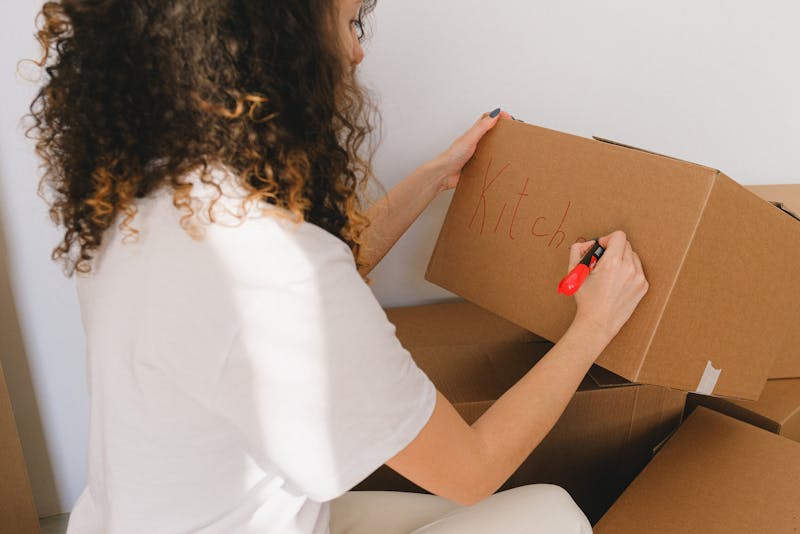
Proper packing is essential for protecting your belongings during a move. Start by selecting sturdy boxes that can withstand transport, and avoid overpacking items that may break under weight. Wrap fragile items in bubble wrap, packing paper, or even towels for added protection. Label each box clearly to indicate its contents and any special handling instructions.
Consider organizing your packing by room or category to make unpacking easier. Heavy items should be placed at the bottom of boxes, while lighter items go on top. Fill empty spaces with cushioning materials to prevent shifting during transit. Following these packing principles helps ensure your boxes remain intact, reducing stress during the move.
Shipping Options: Which One Works Best?
When it comes to the actual shipping, there are several options available, each with its advantages and drawbacks. For small boxes, courier services offer quick and reliable delivery. For larger moves, moving companies often provide full-service options, including packing, shipping, and unloading. Freight services can also be cost-effective for bulky items, but may require longer delivery times.
Families and couples should weigh convenience versus cost. If time is tight, professional moving services or shipping containers that can be loaded at your home are worth considering. If you’re on a budget, shipping boxes in smaller batches using a courier service may be more affordable, though it may require additional trips and coordination.
How to Save Money on Shipping Boxes
Shipping costs can add up quickly, especially for families with many belongings. One of the easiest ways to cut costs is by sourcing boxes inexpensively. Check local stores, supermarkets, or online community groups for gently used boxes. Knowing where to get free boxes for moving can significantly reduce your expenses.
Other cost-saving tips include consolidating smaller boxes into larger ones when possible, comparing rates between shipping companies, and choosing standard delivery times rather than expedited shipping. Planning ahead and organizing your shipments in advance also allows you to take advantage of discounts and promotions offered by shipping providers.
Tips for Shipping Fragile Items
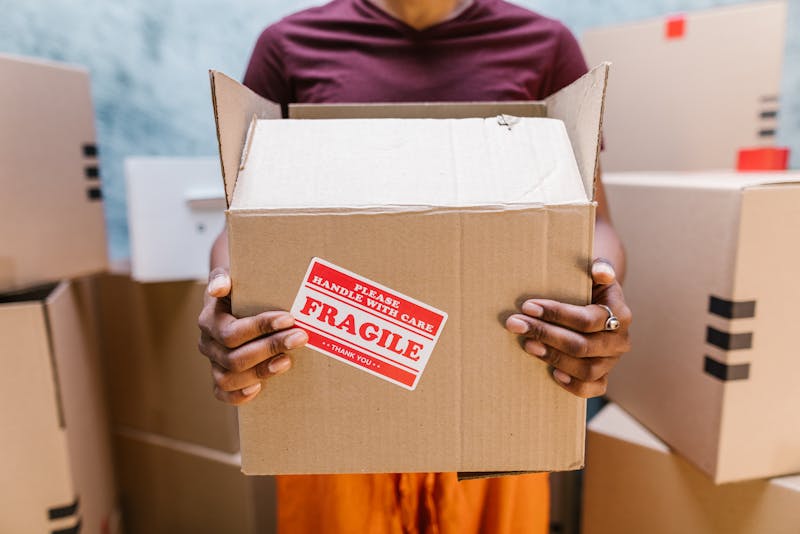
Shipping delicate items requires extra care. Start by using high-quality packing materials like bubble wrap, packing peanuts, or foam inserts. Wrap each fragile item individually and avoid placing heavy items on top. Clearly mark boxes containing fragile goods and instruct the shipping provider to handle them with care.
It’s also a good idea to insure valuable or irreplaceable items. Many moving and shipping companies offer insurance options that provide peace of mind in case of accidental damage or loss. Couples and families should also consider packing fragile items together in a dedicated box to minimize the risk of breakage during transport.
Final Thoughts on the Best Way to Ship Boxes When Moving
Shipping boxes during a move doesn’t have to be stressful. By planning carefully, selecting the right shipping method, and packing thoughtfully, couples and families can ensure their belongings arrive safely. From choosing sturdy boxes and packing materials to comparing shipping options and saving on costs, each step plays a crucial role in a smooth moving experience.
Remember, preparation is key. Start early, organize your items, and make informed decisions about shipping methods. Following these tips and tricks ensures that your move is not only manageable but also a positive start to a new chapter in your home.