
- Free moving boxes can significantly reduce moving costs for couples and families.
- Local grocery stores, bookstores, libraries, and retail shops are excellent sources for sturdy boxes.
- Online marketplaces, community groups, and personal networks offer convenient access to free boxes.
- Specialized boxes from beverage stores, schools, and moving companies are ideal for fragile or heavy items.
- Sorting, labeling, and inspecting boxes ensures a safer and more organized move.
- Using recycled or reused boxes is an eco-friendly option that reduces waste.
- Planning ahead and combining multiple sources can help secure enough boxes for a stress-free move.
Moving can be an exciting new chapter, but it often comes with unexpected expenses. One of the simplest yet surprisingly costly parts of moving is getting the right boxes. For couples and families, buying boxes for all your belongings can add up quickly. Fortunately, there are plenty of creative ways to find free boxes, reducing costs while keeping your move organized.
In this guide, we’ll explore ten practical and unconventional sources where you can score free moving boxes.
Why Free Boxes are a Game-Changer for Couples and Families
When preparing for a move, couples and families often face a bigger challenge: managing the sheer volume of belongings. Kids’ toys, kitchenware, clothing, and furniture require different types and sizes of boxes. Free boxes not only save money but also reduce waste and make the packing process more manageable. Using recycled boxes can also be an eco-friendly choice, helping reduce your carbon footprint.
Before diving into where to get free boxes, it’s important to understand the types of boxes you’ll need, such as small sturdy boxes for books and large boxes for bedding or clothing.
1. Local Grocery Stores
Grocery stores are an underrated source for free moving boxes. They receive deliveries daily, and many boxes are discarded after use. These boxes are usually sturdy and ideal for heavier items like canned goods or kitchen supplies.
How to Approach Grocery Stores:
- Visit early in the morning when the staff are unpacking deliveries.
- Ask politely if they have boxes they don’t need.
- Focus on larger supermarkets, which often have more stock of durable boxes.
Many families find grocery store boxes easier to stack and transport, as they are designed for bulk goods. Plus, using boxes that are free and sturdy reduces the stress of moving fragile items.
2. Local Bookstores and Libraries
Books are heavy, which makes bookstore and library boxes perfect for moving. These boxes are specifically designed to hold substantial weight, preventing bending or breaking during transport.
Tips for Collecting Boxes from Bookstores and Libraries:
- Ask for the smaller, medium, and large boxes used for book shipments.
- Visit during weekdays when the staff are less busy.
- Check for boxes with lids, which are great for stacking books securely.
Couples and families can take advantage of these boxes for packing books, DVDs, and board games. They’re a practical option that saves money and ensures your items stay protected during transit.
3. Office Supply Stores and Workplaces
Many office supply stores regularly receive shipments of paper, printer ink, and other supplies. These boxes are often free for the taking once the items are unpacked. Additionally, workplaces can be a goldmine for free moving boxes, especially if coworkers are also moving or upgrading supplies.
How to Access Office Boxes:
- Visit office supply stores at the end of the day or week.
- Ask your workplace if they have surplus boxes from shipments.
- Look for medium to large boxes that can handle heavier office equipment.
Office boxes are sturdy and uniform in size, which makes them perfect for stacking and organizing household items.
4. Retail Stores and Supermarkets
Beyond grocery stores, larger retail chains are another source for free moving boxes. Clothing stores, electronics shops, and department stores often discard boxes after unpacking inventory. These boxes are usually high-quality and perfect for delicate or oddly shaped items.
How to Collect from Retail Stores:
- Go during weekdays when staff can assist you.
- Ask specifically for boxes that were used for fragile items.
- Look for boxes with dividers, which can be great for packing glassware or kitchen items.
For families, retail boxes provide the added benefit of being clean, uniform, and easy to label. This makes unpacking in a new home much smoother.
5. Online Marketplaces and Community Groups
In the digital age, community platforms are an excellent source for free moving boxes. Websites like Facebook Marketplace, Craigslist, and Nextdoor often have people giving away boxes after their move.
Tips for Using Online Sources:
- Check frequently, as listings are usually temporary.
- Message sellers promptly to arrange pickup.
- Ask for boxes of various sizes to meet all your packing needs.
Online marketplaces are ideal for couples and families who need a large volume of boxes without leaving home. Many people give away boxes for free just to declutter after moving.
6. Liquor Stores and Beverage Shops
Beverage stores regularly receive shipments of wine, beer, and soda in sturdy boxes designed to prevent breakage. These boxes are often compact yet durable, making them perfect for packing heavy glass items.
How to Collect Boxes from Beverage Stores:
- Visit smaller stores during off-peak hours.
- Ask for boxes that once held bottles, as these are reinforced.
- Take multiple boxes at a time if allowed.
Families moving delicate kitchenware or fragile décor can benefit from these reinforced boxes, ensuring items are safe during transport.
7. Schools and Universities
Schools, colleges, and universities often have surplus boxes from office supplies, books, or equipment shipments. During summer or semester breaks, these institutions frequently discard extra boxes.
How to Access School Boxes:
- Contact the administrative office to ask about available boxes.
- Offer to pick up boxes at convenient times for staff.
- Look for boxes in storage rooms or behind loading docks.
For couples and families, these boxes provide a wide variety of sizes, ideal for organizing everything from kids’ school supplies to household items.
8. Friends, Neighbors, and Family
One of the easiest and most reliable sources for free moving boxes is your personal network. Chances are, someone you know has recently moved and has boxes they no longer need.
How to Leverage Your Network:
- Post on social media asking if anyone has moving boxes to spare.
- Offer to pick them up at a convenient time.
- Check for sturdy boxes that can be reused multiple times.
Using boxes from friends and family not only saves money but also builds a sense of community support during your move.
9. Recycling Centers and Donation Hubs
Recycling centers and donation hubs often have stacks of boxes that are still in good condition. These are typically clean, sturdy, and perfect for a family move.
Tips for Using Recycling Centers:
- Call ahead to confirm they allow box pickup.
- Look for boxes that have minimal wear or tear.
- Ask for a variety of sizes for different household items.
Recycling centers are an environmentally friendly option, giving old boxes a second life and reducing waste in landfills.
10. Moving Companies and Truck Rentals
Some moving companies and truck rental locations offer free boxes, especially if you book a move or rent a truck. Even if you don’t use their services, they may give away leftover boxes from previous customers.
How to Get Boxes from Moving Companies:
- Call local movers to ask about leftover boxes.
- Inquire about specialty boxes for items like mirrors or artwork.
- Check for bulk availability if you’re moving to a large family home.
These boxes are professional-grade, making them ideal for heavy or fragile items, giving couples and families peace of mind during the moving process.
Bonus Tips for Using Free Moving Boxes Efficiently
Finding free boxes is only part of the moving challenge. Knowing how to use them efficiently is equally important.
- Sort by Size and Weight: Keep heavy items in small boxes and lighter items in larger boxes.
- Label Clearly: Use a permanent marker to indicate what it contains and where it belongs.
- Stack Strategically: Place heavier boxes at the bottom and lighter ones on top to prevent crushing.
- Inspect for Damage: Even free boxes can be worn out; check for tears or weak corners.
Following these tips ensures that your free moving boxes serve you well throughout the packing and moving process.
How to Store and Prepare Free Moving Boxes Before the Move
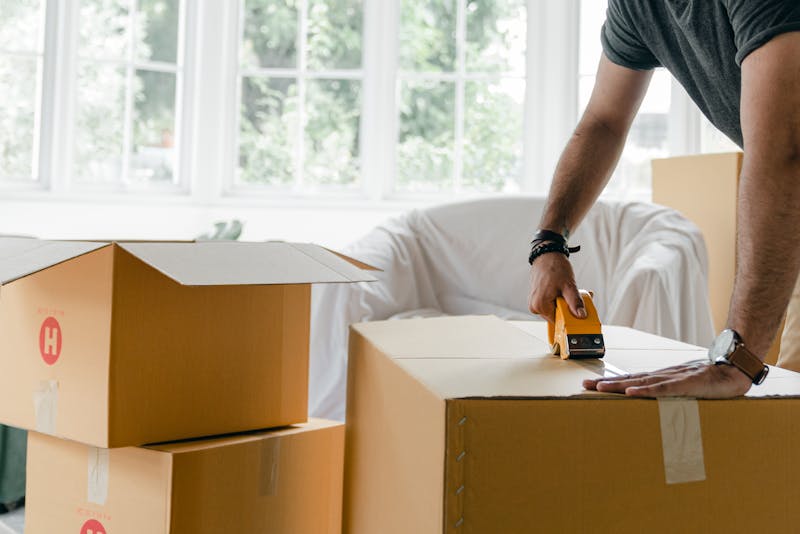
Once you’ve collected free boxes, proper storage and preparation are key to keeping them in good condition until moving day. Couples and families often struggle with limited space, so planning ahead ensures that boxes remain usable and organized.
- Flatten Boxes for Easy Storage: Breaking down boxes saves space and prevents them from getting bent or damaged.
- Keep Them Dry and Clean: Store boxes in a dry area like a garage or closet to avoid moisture and mold.
- Sort by Size and Purpose: Group small, medium, and large boxes together for easier packing later.
- Reinforce Weak Boxes: Use tape to strengthen corners or seams on boxes that show wear.
Properly storing and preparing your free moving boxes helps streamline packing, reduces stress, and ensures that your belongings stay safe during the move.
Conclusion: Moving Smartly Without Breaking the Bank
Moving doesn’t have to be expensive, and free boxes are a simple way to cut costs while staying organized. From grocery stores and libraries to friends, online groups, and moving companies, there are countless creative sources to explore. For couples and families, these sources offer both variety and durability, making the packing process smoother and more efficient. By combining these strategies with smart packing practices, you can enjoy a cost-effective, stress-free move.