

Engineered Hardwood vs Laminate: Which Flooring Is Best for Your Home?
Key Takeaways
- Engineered hardwood offers authentic wood look and can be refinished; laminate provides consistent wood patterns with more design options.
- Laminate is more scratch-resistant and better for pets; engineered hardwood is more moisture stable but sensitive to water.
- Laminate is easier and cheaper to install; engineered hardwood often requires professionals and allows refinishing.
- Laminate is budget-friendly upfront; engineered hardwood adds more long-term value.
- Engineered hardwood is more eco-friendly and suits stable climates; laminate varies in water resistance and suits moisture-prone areas better.
Choosing the right flooring can dramatically impact the look, feel, and functionality of your home. Among the many flooring options available today, engineered hardwood and laminate have become two of the most popular choices for homeowners seeking a wood-like appearance with practical benefits. Both offer distinct advantages, but they differ significantly in composition, durability, maintenance, cost, and environmental impact. This comprehensive guide will help you understand these differences in detail and make the best decision for your home’s needs.
Understanding the Basics
Before diving into the comparison, it’s essential to grasp what engineered hardwood and laminate flooring are, how they’re made, and what makes each unique.
What is Engineered Hardwood?
Engineered hardwood consists of a real hardwood veneer layer adhered to multiple layers of plywood or fiberboard core beneath. This layered construction provides greater stability than solid hardwood, reducing issues related to expansion and contraction caused by humidity and temperature changes.
- Composition: Thin top layer of real hardwood (often 2-6 mm thick)
- Core: Multiple layers of plywood or high-density fiberboard (HDF) arranged with grains alternating directions
- Appearance: Offers authentic wood texture, grain, and finish, indistinguishable from solid wood at a glance
- Uses: Flooring in living rooms, bedrooms, hallways, and other areas where the look of real wood is desired
- Manufacturing: The core layers are bonded using heat and pressure; the top veneer is finished with stains and protective coatings
What is Laminate Flooring?
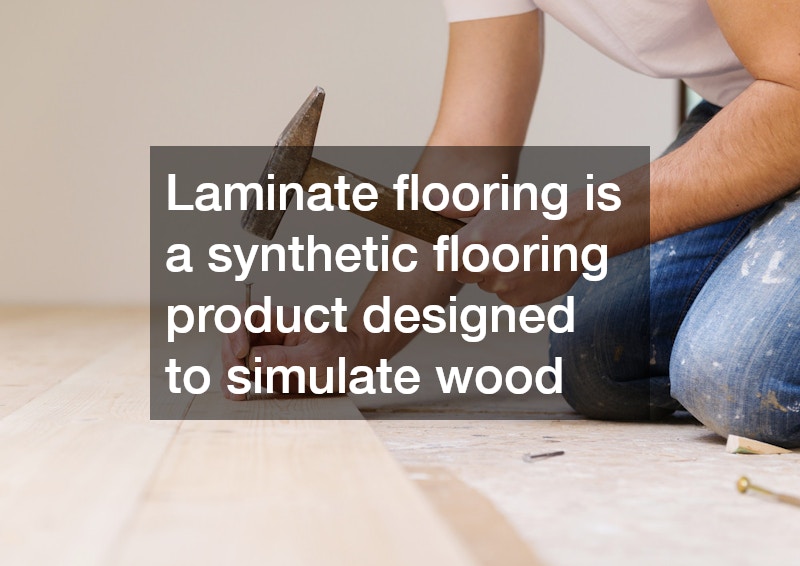
Laminate flooring is a synthetic flooring product designed to simulate wood or sometimes stone. It consists of several layers, including a photographic image of wood grain laminated onto a fiberboard core with a protective wear layer on top.
- Composition: High-resolution photographic wood pattern beneath a clear, durable wear layer, backed by fiberboard core
- Surface: Smooth or textured to mimic natural wood, but entirely man-made
- Appearance: Offers a wide variety of wood species and colors, sometimes more design options than real wood
- Uses: Suitable for most rooms including living spaces, though caution is needed in high-moisture areas
- Manufacturing: Layers are fused using adhesives under heat and pressure, creating a dense, stable plank
Appearance and Aesthetics
When it comes to the look of your flooring, both engineered hardwood and laminate offer convincing wood-like appearances but differ in some important ways.
Engineered Hardwood Appearance
- Natural Wood Grain: Because the top layer is real wood, each plank has unique grain patterns, knots, and color variations just like solid hardwood.
- Warmth and Texture: The texture feels authentic underfoot with a natural warmth and slight imperfections typical of wood.
- Finishes: Available in a variety of finishes—matte, satin, gloss—that highlight the wood’s natural beauty.
- Aging: Over time, engineered hardwood develops a natural patina and can be refinished (depending on veneer thickness), enhancing its character.
Laminate Appearance
- Variety of Styles: Laminate offers an extensive range of wood species, colors, and even exotic looks that might be cost-prohibitive with real wood.
- Photographic Layer: The wood grain and color are printed images, so the look is consistent plank to plank, which some homeowners prefer for uniformity.
- Textures and Embossing: Many laminates include embossed surfaces to mimic wood grain texture, adding visual depth.
- Aging: Laminate does not age like real wood and cannot be refinished; it maintains its appearance until wear or damage occurs.
How Lighting and Room Style Affect Appearance
- Engineered hardwood’s natural variations react beautifully to changing light conditions, often enhancing room warmth and character.
- Laminate’s consistent patterns suit modern or minimalist interiors, offering clean, uniform looks that complement sleek designs.
Durability and Performance
Flooring choice must consider how the material will hold up to daily wear, moisture, and environmental changes.
Engineered Hardwood Durability
- Scratch Resistance: More resistant than solid hardwood due to tougher finish coatings, but surface veneer can still scratch or dent under heavy use.
- Moisture Handling: More stable than solid wood thanks to layered core; however, excessive moisture can still damage it, so not ideal for bathrooms or basements with flooding risk.
- Temperature Fluctuations: Engineered wood resists expansion and contraction better than solid wood, reducing gaps and warping in changing climates.
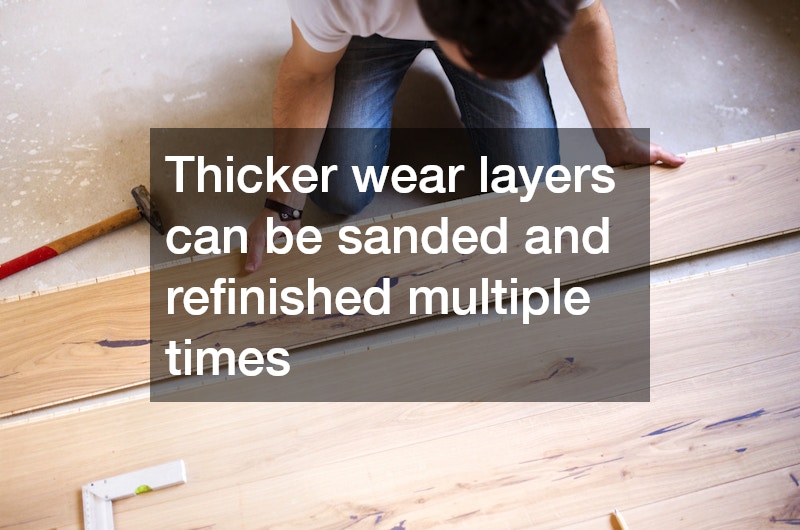
- Wear Layer: Thickness of the veneer affects durability and ability to be refinished. Thicker wear layers (4-6mm) can be sanded and refinished multiple times.
Laminate Durability
- Scratch and Impact Resistance: Very tough wear layer protects against scratches, dents, and stains, making laminate excellent for pets and high-traffic areas.
- Moisture Resistance: Laminate is generally water-resistant but not waterproof. Prolonged water exposure can cause swelling or delamination. Some newer products offer enhanced water-resistant cores.
- Temperature Stability: Laminate is dimensionally stable but can expand or contract slightly, requiring proper acclimation before installation.
- Lifespan: Typically lasts 10-25 years depending on quality and care; cannot be refinished but damaged planks can be replaced individually.
Suitability for Specific Conditions
| Condition | Engineered Hardwood | Laminate |
| High humidity | Moderate resistance, not waterproof | Moderate resistance; better with water-resistant cores |
| High foot traffic | Good, can be refinished | Excellent, highly durable |
| Pets | Susceptible to scratches | Very resistant to scratches |
| Radiant heating systems | Generally compatible | Compatible but varies by product |
Installation and Maintenance
Installation and Maintenance of Engineered Hardwood Flooring
When considering engineered hardwood flooring, understanding both the installation process and ongoing maintenance requirements is crucial. These factors directly affect the flooring’s performance, appearance, and lifespan, especially for homeowners who enjoy DIY projects or want to prepare for professional installation.
Installation of Engineered Hardwood Flooring
Engineered hardwood installation offers several methods, each suited to different subfloor types, room conditions, and homeowner preferences. The choice of installation method can impact durability, comfort, and the overall success of the project.
Common Installation Methods
- Nail-Down Installation:
This traditional method involves nailing the engineered hardwood planks directly to a wooden subfloor, such as plywood or oriented strand board (OSB). It offers a very secure fit and is typically used in new construction or when replacing old flooring over wood subfloors.- Provides excellent stability and sound quality
- Requires a suitable wooden subfloor that can accept nails
- Usually performed by professional installers due to the precision needed
- Glue-Down Installation:
In this method, a strong adhesive is applied to the subfloor, and the engineered hardwood planks are pressed into place. It’s often used for concrete subfloors or where nailing is not feasible.- Suitable for concrete, plywood, or existing floors in good condition
- Creates a firm bond that minimizes movement and noise
- Requires moisture testing of the subfloor beforehand to prevent future problems
- Floating Floor Installation:
Engineered hardwood planks are attached to each other using tongue-and-groove systems but are not fixed to the subfloor. This “floating” method is popular for its ease and speed.- Can be installed over various subfloors, including concrete and wood
- Often includes an underlayment for cushioning, sound reduction, and moisture barrier
- Easier for DIY enthusiasts due to fewer specialized tools and less prep work
- Allows for expansion and contraction, reducing risk of buckling
Subfloor Preparation and Requirements
Proper subfloor preparation is vital to ensure the engineered hardwood performs well over time. Neglecting this step can lead to squeaky floors, uneven wear, or even structural issues.
- Cleanliness:
The subfloor must be completely clean and free from debris, dust, or leftover adhesives that could interfere with installation or cause unevenness. - Levelness:
Floors should be flat within manufacturer specifications, usually within a tolerance of 3/16 inch over a 10-foot span. High spots should be sanded down; low spots filled with leveling compounds. - Dryness:
Moisture content in the subfloor should be measured, especially for concrete slabs. Excess moisture can cause warping or adhesive failure. Moisture barriers or vapor retarders may be necessary. - Moisture Barrier:
In some installations, especially over concrete or in basements, a moisture barrier or underlayment that resists water vapor is recommended to protect the wood layers.
Installation Complexity and Professional Help
While floating floor installation of engineered hardwood can be manageable for skilled DIYers, many installations—especially nail-down or glue-down—benefit from professional expertise.
- Professionals ensure proper acclimation of wood before installation, allowing planks to adjust to room humidity and temperature, reducing later movement or gaps.
- Precise cutting and fitting around doorways, vents, and corners improve overall appearance and durability.
- Proper handling and installation of underlayments and moisture barriers protect the floor and enhance comfort.
Maintenance of Engineered Hardwood Flooring
Proper maintenance extends the life and appearance of engineered hardwood flooring. While engineered wood is more stable than solid hardwood, it still requires care to preserve its finish and structural integrity.
Regular Cleaning
- Sweeping or Vacuuming:
Dust, dirt, and grit act like sandpaper on hardwood finishes. Regular sweeping or vacuuming with a soft-brush attachment helps prevent surface scratches. - Avoiding Water Damage:
Engineered hardwood is vulnerable to moisture damage, so avoid wet mopping. Instead, use a damp (not wet) mop or microfiber cloth with a cleaner formulated specifically for wood floors. - Manufacturer-Recommended Cleaners:
Using harsh chemicals or abrasive cleaners can dull or damage the finish. Stick to products recommended by your floor’s manufacturer to maintain the protective coating.
Spill and Stain Management
- Immediate Cleanup:
Wipe spills promptly with a dry or slightly damp cloth to prevent liquids from seeping into seams or damaging the veneer. - Avoid Standing Water:
Never allow water to pool or sit on the floor surface as it can cause swelling or discoloration.
Preventive Measures
- Use Rugs and Mats:
Place doormats at entrances to reduce dirt tracked indoors, and use area rugs in high-traffic zones to minimize wear. - Furniture Pads:
Attach felt pads or glides under chair and table legs to prevent scratches when moving furniture. - Control Humidity Levels:
Maintain indoor humidity between 30% and 50% using humidifiers or dehumidifiers as needed. This prevents excessive expansion or contraction.
Periodic Maintenance and Refinishing
- Refinishing Options:
One significant advantage of engineered hardwood over laminate is the ability to refinish the floor, depending on the thickness of the top veneer. Floors with a veneer thicker than 4mm can typically be sanded and refinished 2–3 times. This process removes surface scratches, stains, and wear marks, restoring the wood’s original beauty. - Professional Assessment:
Before refinishing, it’s advisable to consult with flooring professionals to evaluate the veneer thickness and overall condition. - Minor Repairs:
Small scratches or dents can sometimes be treated with specialized wood markers or fillers designed for engineered hardwood.
Summary: Installation and Maintenance Best Practices for Engineered Hardwood
| Aspect | Key Points |
| Installation Methods | Nail-down, glue-down, floating; choice depends on subfloor and room conditions |
| Subfloor Prep | Must be clean, level, dry; moisture barriers recommended for concrete or basement subfloors |
| Professional Help | Recommended for complex installations and best finish quality |
| Cleaning | Sweep/vacuum regularly; use damp mop with wood-specific cleaner; avoid excess water |
| Spill Management | Wipe immediately; avoid standing water |
| Preventive Care | Use rugs, furniture pads, control indoor humidity |
| Refinishing | Possible with thicker veneers; restores floor appearance and extends lifespan |
Proper installation and maintenance are critical to preserving the beauty and function of engineered hardwood floors. With the right preparation, care, and occasional refinishing, these floors can provide warmth, durability, and natural charm for many years in your home.
Laminate Installation
- Methods: Most commonly installed as a floating floor using a click-lock system, ideal for DIY.
- Subfloor Requirements: Must be flat, clean, and dry; underlayment used for moisture barrier and sound dampening.
- Installation Complexity: Easy to install, often completed within a day for average rooms.
- Maintenance:
- Routine sweeping or vacuuming to remove debris
- Damp mop with laminate-safe cleaner—avoid excess water
- Replace individual planks if damaged; no refinishing
Cost Comparison
Budget is a key factor in flooring decisions. Both materials offer options from budget-friendly to premium levels.
Engineered Hardwood Costs
- Material Price Range: $4 to $12+ per square foot, depending on wood species, veneer thickness, and finish quality
- Installation Costs: $3 to $8 per square foot for professional installation
- Long-Term Costs: Potential for refinishing can extend life, reducing long-term replacement costs
Laminate Costs
- Material Price Range: $1 to $5 per square foot for most styles and qualities
- Installation Costs: $1.50 to $4 per square foot, often lower due to easier DIY installation
- Long-Term Costs: Limited refinishing; damaged sections need replacement, which may add to cost over time
Value Considerations
- Engineered hardwood generally adds higher resale value and aesthetic appeal but requires greater upfront investment.
- Laminate offers a cost-effective alternative with excellent durability for active households or budget-conscious projects.
Environmental Impact and Sustainability
For eco-conscious homeowners, understanding the environmental footprint is vital.
Engineered Hardwood Sustainability
- Wood Sourcing: Typically uses real wood veneers from sustainably managed forests; look for FSC certification.
- Manufacturing: Efficient use of timber by using thinner veneers and plywood cores reduces overall wood consumption.
- Indoor Air Quality: Many products use low-VOC finishes and adhesives.
Laminate Flooring Sustainability
- Materials: Mostly made from wood fiberboard cores combined with synthetic resins and plastic wear layers.
- Recycling: Some brands use recycled wood fibers and materials.
- VOC Emissions: Quality products comply with indoor air quality standards; check GREENGUARD certification.
Certification to Look For
- FSC (Forest Stewardship Council): Ensures responsible forest management.
- GREENGUARD: Certifies low chemical emissions for safer indoor air.
- FloorScore: Another indoor air quality certification relevant for flooring.
Choosing the Right Flooring for Your Home
Making the best choice depends on multiple factors unique to your household.
Factors to Consider
- Lifestyle: Homes with children or pets benefit from durable, scratch-resistant flooring like laminate.
- Budget: Laminate offers more affordable upfront costs, engineered hardwood provides long-term value.
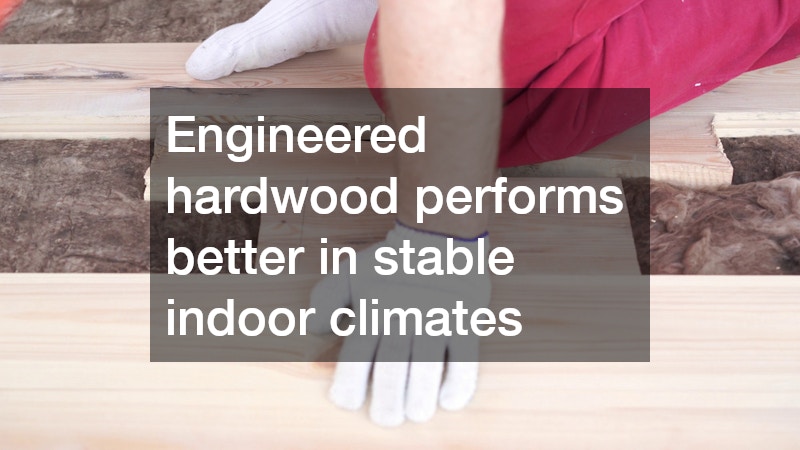
- Climate: Engineered hardwood performs better in stable indoor climates; laminate with water-resistant cores suits humid areas better.
- Room Function: Avoid engineered hardwood in bathrooms; laminate’s moisture resistance varies by product.
- Design Preference: For authentic wood texture and aging, engineered hardwood is preferred. For uniform look and wide design options, laminate excels.
Room-Specific Recommendations
| Room | Best Flooring Choice |
| Living Room | Engineered hardwood or laminate |
| Kitchen | Laminate (with water resistance) or engineered hardwood (careful maintenance) |
| Bathroom | Moisture-resistant laminate or tile preferred over hardwood |
| Basement | Laminate with moisture barrier or engineered hardwood designed for below-grade installation |
| Bedrooms | Engineered hardwood preferred for warmth and feel |
Frequently Asked Questions (FAQ)
Can engineered hardwood be installed over radiant heating?
Yes, engineered hardwood is generally compatible with radiant heating systems due to its dimensional stability.
Is laminate suitable for pets?
Yes, laminate is highly scratch-resistant and often recommended for pet owners.
Can you refinish laminate flooring?
No, laminate cannot be sanded or refinished. Damaged planks must be replaced.
Which flooring is quieter underfoot?
Engineered hardwood tends to be quieter and warmer than laminate, which can sometimes produce a hollow sound without proper underlayment.
How to prevent damage to either flooring?
Use protective pads under furniture, avoid high-heeled shoes, clean spills promptly, and maintain proper humidity levels.
Conclusion
Both engineered hardwood and laminate flooring bring unique advantages to modern homes. Engineered hardwood offers the authentic look, warmth, and refinishing options of real wood with enhanced stability. Laminate flooring provides an affordable, durable, and low-maintenance alternative with a wide variety of design choices. Your decision will depend on your budget, lifestyle, room conditions, and personal style preferences.
By carefully weighing these factors and consulting with flooring professionals, you can select the flooring that best complements your home’s needs and aesthetic goals, ensuring beauty and functionality for years to come.