

- Water stains on wood occur when moisture penetrates the finish, creating white or dark marks depending on depth.
- White water stains are surface-level and usually respond well to household remedies like toothpaste, baking soda, vinegar, or mayonnaise.
- Heat methods, such as using an iron or hair dryer, can help evaporate trapped moisture from the finish safely.
- Dark water stains penetrate the wood and may require stronger treatments, such as hydrogen peroxide, or refinishing in severe cases.
- Preventing water stains is easier than removing them—use coasters, wipe spills immediately, and maintain protective finishes.
- Avoid common mistakes like scrubbing aggressively, using bleach, or applying excessive water to prevent further damage.
- Patience and proper technique are key to successfully restoring wood surfaces without expensive repairs.
Water stains on wood can be frustrating for homeowners, especially when they appear on visible surfaces like dining tables, cabinets, or hardwood floors. These stains often show up as white rings, cloudy patches, or dark marks, making even well-maintained furniture look worn or neglected. The good news is that most water stains are not permanent, and many can be removed using simple DIY methods without refinishing the wood.
This guide is designed specifically for homeowners who want practical, safe, and proven solutions. You’ll learn how to identify different types of water stains, understand why they form, and choose the right removal method based on the wood finish and stain severity. Each solution focuses on affordability, accessibility, and minimizing damage to your wood surfaces.
What Causes Water Stains on Wood Furniture and Surfaces?
Before learning how to remove water stains, it’s important to understand why they occur in the first place. Water stains form when moisture penetrates the protective finish of wood or becomes trapped within it. Depending on how deep the moisture goes, the stain may appear white, cloudy, or dark. These marks are especially common in homes with high humidity or frequent temperature changes.
Water stains often result from everyday household activities, such as placing a cold glass on a table, spilling water and not wiping it immediately, or setting hot dishes directly on wood surfaces. Over time, repeated exposure weakens the finish, making the wood more vulnerable to moisture absorption. Knowing the cause helps you select the most effective removal method and avoid repeating the same mistakes.
Water stains can occur on all types of wood surfaces, including solid wood, engineered wood, and laminate. For homeowners unfamiliar with engineered wood, understanding what engineered wood is can help in choosing the right cleaning or stain removal method. Engineered wood is made of a thin layer of real wood veneer over a core of plywood or high-density fiberboard, which behaves differently from solid wood when exposed to moisture.
Common Sources of Water Stains
- Condensation from glasses, mugs, or bottles
- Plant pots without drainage trays
- Spills left unattended
- Steam from hot food or appliances
- High indoor humidity levels
How to Identify White vs. Dark Water Stains on Wood
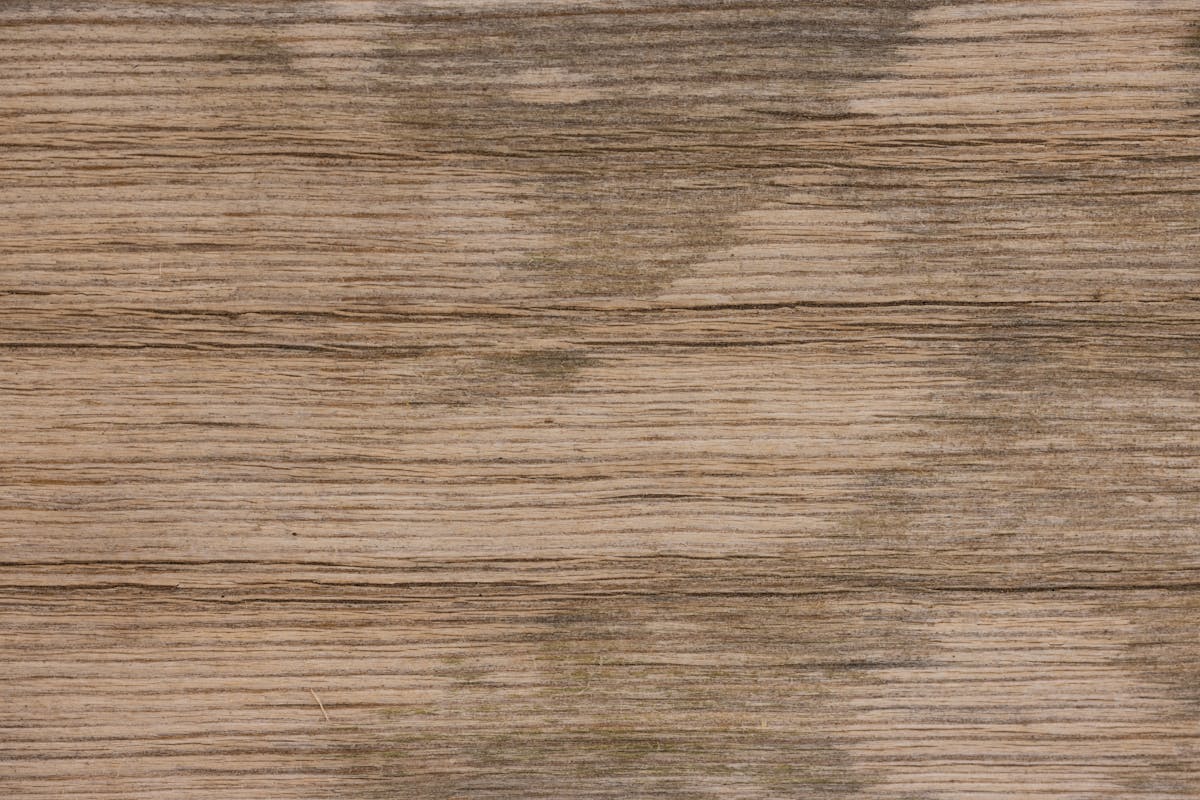
Understanding the type of water stain you’re dealing with is critical because removal methods vary depending on stain depth. White water stains usually indicate moisture trapped in the finish, while dark stains mean the water has reached the wood itself. Treating them incorrectly can worsen the damage or require professional repair.
White stains are typically easier to remove and respond well to gentle DIY solutions. Dark stains, on the other hand, often require stronger methods or refinishing. Homeowners should always identify the stain type before attempting removal to avoid unnecessary sanding or chemical use.
White Water Stains
- Appear cloudy, milky, or ring-shaped
- Affect only the surface finish
- Often caused by heat or condensation
Dark Water Stains
- Appear brown, black, or deep gray
- Penetrate into the wood fibers
- Usually caused by prolonged moisture exposure
How to Remove Water Stains from Wood Using Household Items
This section focuses on one of the most searched homeowner concerns: how to remove water stains from wood using everyday household items. Many homeowners are surprised to learn that common products already in their kitchens or bathrooms can effectively lift water stains. These methods are especially useful for white or light surface stains.
Household remedies work by gently drawing moisture out of the finish or polishing away cloudiness without stripping protective coatings. They are affordable, accessible, and ideal for quick fixes. However, patience and proper technique are essential to avoid damaging the wood.
Toothpaste and Baking Soda Method
- Use non-gel white toothpaste
- Mix with baking soda for added mild abrasion
- Rub gently with a soft cloth in the direction of the grain
Vinegar and Olive Oil Solution
- Mix equal parts vinegar and olive oil
- Apply sparingly using a microfiber cloth
- Buff until the stain fades and shine returns
Mayonnaise or Petroleum Jelly
- Apply a thin layer over the stain
- Leave for several hours or overnight
- Wipe clean and polish lightly
Can Heat Remove Water Stains from Wood Surfaces?
Heat-based methods are popular because they directly address trapped moisture in the finish. By applying controlled warmth, homeowners can encourage moisture to evaporate, reducing or eliminating white water stains. These methods require caution, but when done correctly, they are highly effective.
The key to success is moderation. Excessive heat can damage finishes, discolor wood, or create new marks. Always start with the lowest heat setting and test on an inconspicuous area first.
Iron Method
- Place a cotton cloth over the stain
- Set the iron to low heat with no steam
- Apply heat for a few seconds at a time
Hair Dryer Technique
- Use the medium heat setting
- Hold the dryer several inches away
- Move continuously to prevent overheating
How to Remove Dark Water Stains from Wood Safely
Dark water stains are more challenging because the moisture has penetrated beyond the finish and into the wood itself. These stains often require stronger treatments and more time to resolve. Homeowners should approach dark stains carefully to avoid uneven coloring or surface damage.
In many cases, removing dark stains involves light abrasion or chemical reactions that lift discoloration from wood fibers. While some DIY methods work, deeply set stains may require refinishing or professional assistance.
Using Baking Soda Paste
- Mix baking soda with water to form a paste
- Apply gently with a soft cloth
- Rub lightly and wipe clean
Hydrogen Peroxide Treatment
- Use 3% hydrogen peroxide
- Apply with a cotton pad
- Cover and let sit for several hours
When Should You Sand or Refinish Wood?
Sanding and refinishing should be considered a last resort for homeowners dealing with stubborn water stains. While effective, these methods remove part of the wood surface and require time, tools, and finishing products. Knowing when to take this step helps prevent unnecessary work and potential mistakes.
Refinishing is typically recommended when stains cover large areas, penetrate deeply, or recur frequently due to damaged finishes. For antique or valuable furniture, professional assessment is often the safest option.
Signs Refinishing May Be Necessary
- Stains do not respond to DIY methods
- Finish is cracked, peeling, or worn
- The wood surface feels rough or uneven
How to Prevent Water Stains on Wood in the Future
Prevention is just as important as removal, especially for homeowners who want to protect their investment. Simple habits and protective measures can significantly reduce the risk of future water stains and prolong the life of wood furniture and flooring.
Maintaining a strong protective finish and controlling indoor humidity are two of the most effective prevention strategies. Small changes in daily routines can make a noticeable difference over time.
When treating water stains, it’s important to know the type of surface you’re working with. Homeowners often wonder about engineered hardwood vs laminate and how each reacts to moisture. While engineered hardwood can tolerate gentle DIY methods, laminate surfaces may require specialized cleaners to avoid peeling or discoloration.
Practical Prevention Tips
- Use coasters, placemats, and trivets
- Wipe spills immediately
- Apply furniture polish or wax regularly
- Use dehumidifiers in humid areas
Choosing the Right Cleaning Method for Different Wood Types
Not all wood surfaces respond the same way to water stain removal. Before attempting any DIY fix, homeowners should consider the type of wood or finish to avoid causing further damage. Solid wood, engineered wood, and laminate each require different approaches.
- Solid wood: Most white water stains can be treated with gentle household remedies like toothpaste, baking soda, or vinegar. Heat methods are also generally safe.
- Engineered wood: As discussed earlier, knowing what engineered wood is is important. The thin wood veneer can be sensitive to excess moisture, so avoid soaking or harsh chemical cleaners.
- Laminate surfaces: When comparing engineered hardwood vs laminate, laminate is more moisture-resistant but prone to peeling if treated with oils or abrasive tools. Use mild cleaners and avoid direct heat.
Common Mistakes Homeowners Make When Removing Water Stains
Even well-intentioned homeowners can accidentally worsen water stains by using incorrect methods or rushing the process. Understanding common mistakes helps you avoid unnecessary damage and achieve better results.
Many issues arise from using abrasive materials, excessive moisture, or harsh chemicals. Taking a cautious and informed approach ensures your wood surfaces remain intact and attractive.
Mistakes to Avoid
- Scrubbing aggressively
- Using bleach on finished wood
- Applying too much water during cleaning
- Skipping spot tests
Final Thoughts: Restoring Wood Surfaces with Confidence
Water stains on wood may look intimidating, but most are manageable with the right knowledge and tools. By identifying the type of stain and choosing an appropriate DIY solution, homeowners can restore their wood surfaces without expensive repairs. Patience, gentle techniques, and preventative care go a long way in preserving the beauty of wood furniture and floors.
Whether you’re dealing with a fresh white ring or an older dark stain, the methods outlined in this guide provide practical starting points. With consistent care and mindful habits, your wood surfaces can remain stain-free and visually appealing for years to come.