
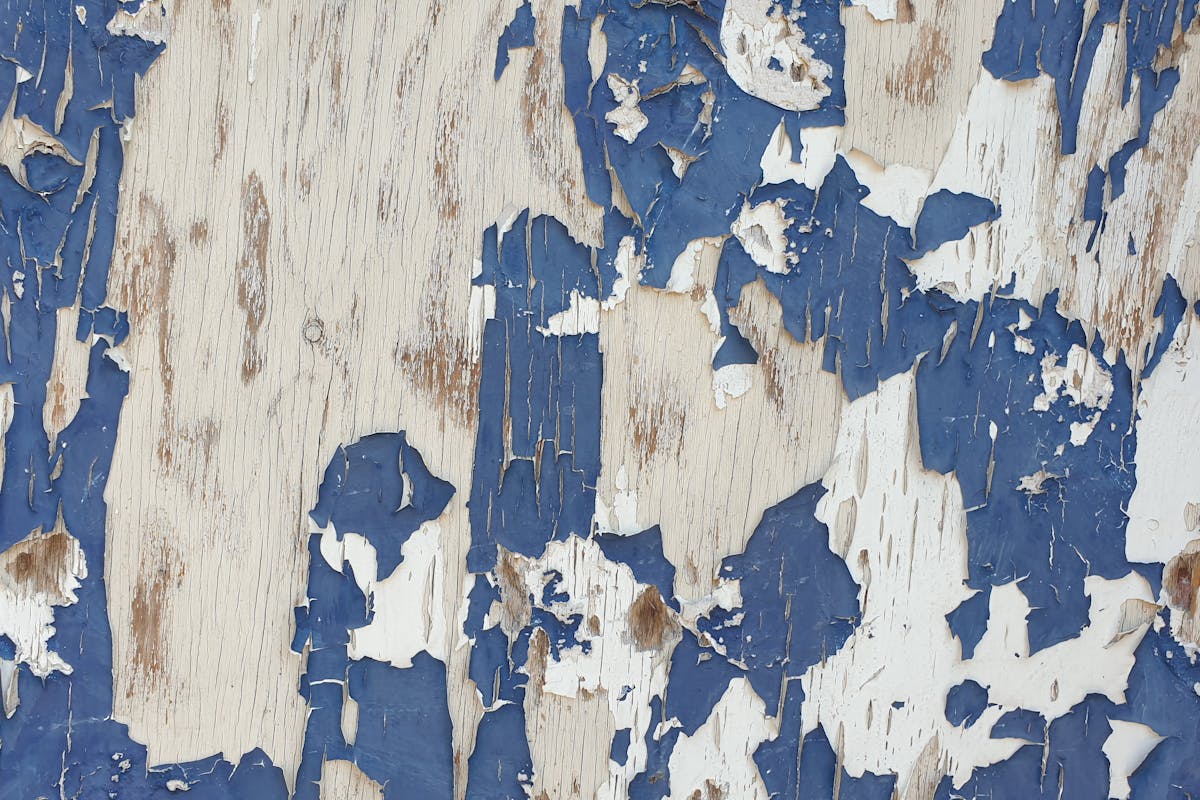

- Paint can be removed from wood effectively without sanding, preserving the natural texture and grain.
- Chemical strippers, heat guns, and eco-friendly solutions are the main alternatives to sanding.
- Work in small sections and use plastic or soft scrapers to avoid damaging the wood.
- Safety precautions like gloves, goggles, and proper ventilation are essential when using chemicals or heat.
- After paint removal, clean the surface thoroughly and address any stains, including learning how to remove water stains from wood.
- Eco-friendly or natural methods may take longer, but are safer for indoor use and the environment.
- Preparing and drying the wood before refinishing ensures a smooth, long-lasting finish.
Removing paint from wood can seem like a daunting task, especially if you want to preserve the natural texture and grain of your wooden surfaces. Many homeowners assume sanding is the only way to remove paint, but sanding can be messy, time-consuming, and potentially damaging to delicate wood. Fortunately, there are alternative methods that are effective, safe, and less labor-intensive.
In this article, we’ll explore step-by-step techniques for removing paint from wood without sanding, tips for ensuring a smooth finish, and safety precautions every homeowner should know.
Why You Might Avoid Sanding
Sanding wood is a common approach to paint removal, but it comes with drawbacks. Sanding can wear down softwood surfaces, leaving them uneven or susceptible to splintering. It also creates a significant amount of dust, which can settle throughout your home and affect indoor air quality. For intricate wooden details like moldings or carved furniture, sanding may damage the design. By using alternative methods such as chemical strippers, heat, or natural solutions, you can preserve the integrity of your wood while achieving a clean, paint-free surface.
How to Remove Paint from Wood Without Sanding
Removing paint without sanding is easier than many homeowners think. One of the most effective approaches is using paint strippers, which dissolve paint so it can be scraped off with minimal effort. Start by choosing the right type of paint remover. For indoor use, low-VOC, water-based strippers are ideal, while outdoor projects might require stronger, solvent-based options. Apply the stripper according to the manufacturer’s instructions, usually with a brush or sponge, and let it sit for the recommended time. Once the paint softens, gently scrape it off using a plastic scraper to avoid scratching the wood.
Tips for Effective Paint Removal:
- Work in small sections to maintain control.
- Use a stiff-bristled brush to reach crevices.
- Wear gloves and protective eyewear to avoid skin or eye irritation.
Using Heat to Loosen Paint
Another sanding-free method is applying heat to loosen the paint. Heat guns or infrared paint removers soften the paint, making it easier to scrape off without damaging the wood. This method works well for furniture, doors, and window frames. Keep the heat source moving to prevent scorching the wood, and always maintain a safe distance to reduce the risk of burns or fire hazards.
Heat Removal Steps:
- Plug in and set your heat gun to the recommended temperature.
- Hold the gun a few inches above the painted surface.
- Wait until the paint bubbles, then gently scrape with a plastic or metal scraper.
- Wipe the surface with a damp cloth to remove residue.
Heat removal is particularly useful when dealing with thick layers of old paint or enamel coatings. It preserves the wood’s natural texture while providing precise control over the removal process.
Eco-Friendly Alternatives for Paint Removal
For homeowners seeking a more natural approach, eco-friendly paint removers and homemade solutions are excellent options. Products made from citrus-based solvents or soy can soften paint without releasing harmful fumes. Alternatively, a paste made from baking soda and water can be applied to small areas to gently lift paint. While these methods may take longer than chemical strippers, they are safer for indoor use and more environmentally responsible.
Eco-Friendly Removal Tips:
- Test any solution on a small, inconspicuous area first.
- Use a soft brush to avoid scratching the wood.
- Always clean the surface thoroughly afterward to prevent residue buildup.
Cleaning and Preparing Wood After Paint Removal
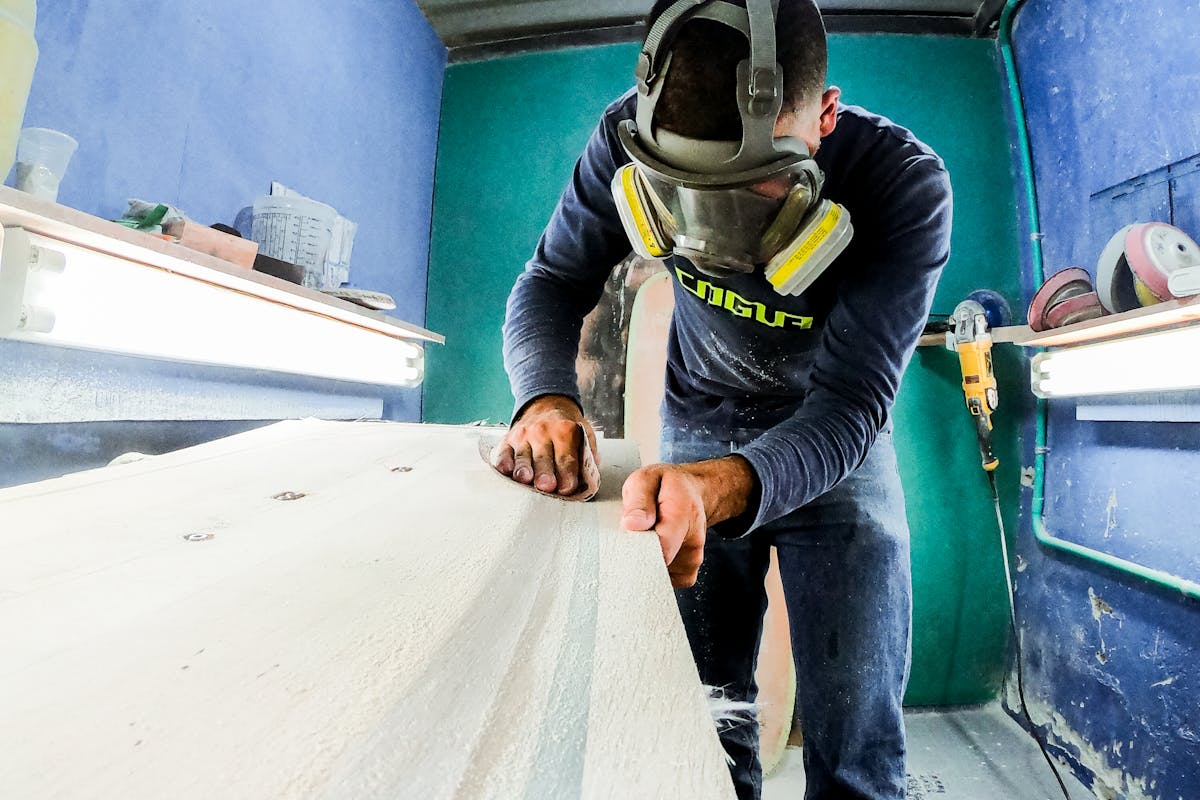
Once the paint is removed, it’s important to clean and prepare the wood before staining or painting. Wipe the surface with a damp cloth to remove any remaining stripper or paint residue. For stubborn spots, a mild soap solution may help. If water stains or discoloration are present, you can also address issues using proven methods—learn more about how to remove water stains from wood to restore your furniture’s natural beauty. Finally, allow the wood to dry completely before applying any new finish to ensure a smooth, long-lasting result.
Safety Precautions When Removing Paint
Safety should be a priority when removing paint without sanding. Always work in a well-ventilated area to minimize exposure to fumes, especially if using chemical strippers. Wear gloves, goggles, and a protective mask to reduce the risk of skin irritation and respiratory issues. Avoid direct contact with heat guns and always follow the manufacturer’s instructions for chemical products. Keeping a fire extinguisher nearby is also a wise precaution when working with heat or flammable materials.
Conclusion: Preserve Your Wood with Smart Techniques
Removing paint from wood without sanding is not only possible, but it can also yield better results while preserving your wood’s natural beauty. Whether you choose chemical strippers, heat guns, or eco-friendly solutions, taking a careful, step-by-step approach will protect both your wood and your health. By following safety guidelines and properly cleaning and preparing the surface afterward, you can restore or refinish your wood confidently, knowing that it’s ready for a fresh coat of stain or paint. These methods offer a practical, efficient alternative to traditional sanding, making paint removal accessible for any homeowner.